
Family therapy and counselling
Every family goes through hard seasons. Arguments repeat, people stop talking, or one person’s struggles start to affect everyone at home. Family therapy offers a calm, neutral space where each person can be heard, without blame. Family counselling can support you with:

What is parent-child and family therapy?
Working on the relationship, together
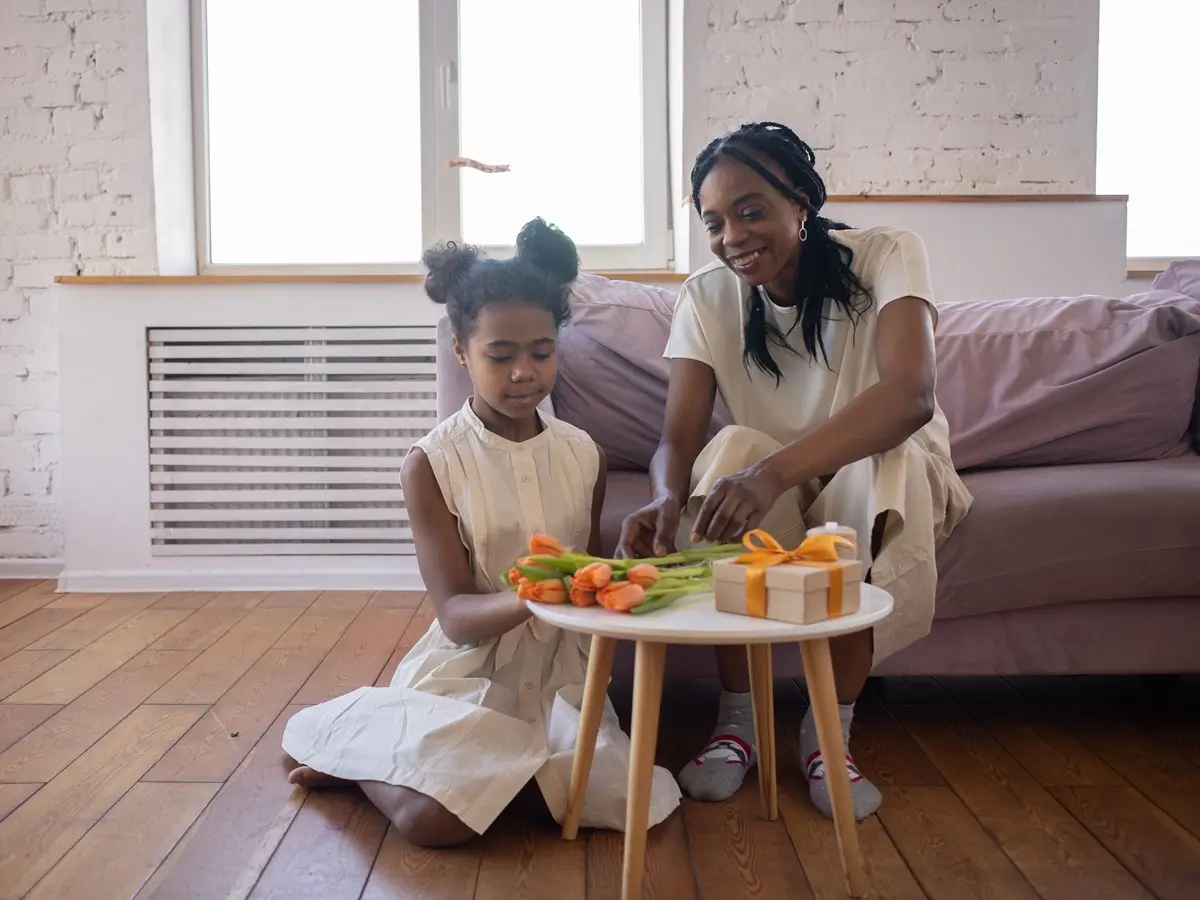
Family therapy looks at the patterns between people instead of blaming one person. Parent-child therapy focuses on the relationship between a parent and their child, while family therapy can include other family members too. Some sessions may include a parent and child together, and others may be with parents or caregivers on their own.
This service is available for families with children and teens. If someone in the family would like their own space as well, individual therapy for adults and teen therapy and counselling are also available.
How family counselling can help
Family therapy isn’t about deciding who is right. It’s about understanding what each person needs and finding new ways to respond to one another. Over time, many families find they argue less, listen more and feel closer again.
Communication
Learning to talk and listen in ways that feel safer, so conversations don’t keep turning into the same fight.
Parent and teen conflict
Arguments about rules, grades, screens or independence, and the hurt that often sits underneath them.
Attachment and connection
Repairing ruptures and rebuilding closeness after hard times, at a pace that works for everyone.
Family changes and stress
Separation, a new sibling, illness, a move or a loss, and the way these changes ripple through the whole family.
You may also find it helpful to read about therapy for parents of young adults and parentification in adults, or learn about support with family conflict.
When to consider family therapy
Many families wait until things feel completely stuck, but you don’t need a crisis to start. Family therapy can help early on, when patterns are just forming, or later, when everyone feels worn out and unsure how to move forward.
A free 15-minute consultation is a simple way to talk through what’s happening and whether family sessions, individual sessions or a mix of both might be the right fit.
Safety comes first. If there is violence at home or someone feels unsafe, joint family sessions may not be the right first step. In an emergency, call 911. Children and teens can reach Kids Help Phone at 1-800-668-6868 or text CONNECT to 686868.
How online family therapy works
Step by step
Free 15-minute consultation
A short call with a parent or caregiver to share what’s happening, ask questions and see if it feels like a good fit.
Getting started
The first session may be with parents or caregivers on their own, or with the family together, to understand your story and goals. Confidentiality and its limits are explained to everyone.
Regular sessions
Different family members may join at different times, depending on what will help most. Sessions usually happen weekly or every other week.
Checking in together
From time to time, you’ll look back at what’s changing at home and what still needs attention, so therapy keeps fitting your family.
Sessions take place by private video call, so families can join from Toronto, Oshawa, Ajax, Brampton or anywhere else in Ontario. Family members may join from the same room or from different places, depending on what’s easiest for everyone.
Approaches that shape your sessions
Integrative, trauma-informed and compassionate
Breathe, Feel, Heal. When a family is under stress, everyone’s nervous system is on alert. Sessions may include simple ways to slow down together, so hard conversations can happen with more calm and less blame. You can read more about understanding your nervous system and how emotion-focused therapy works.
Support that understands South Asian families
In many South Asian and immigrant families, parents and children grow up in very different worlds. Parents may carry sacrifice, duty and worry about their children’s future, while children feel pressure to succeed and to fit in. Respect, family honour and “log kya kahenge” can make it hard to talk openly. Here, every generation’s view is treated with respect.
Sessions are available in English, Urdu, Hindi and Punjabi, so each family member can speak in the language that feels most natural.
You may also find it helpful to read about intergenerational trauma in South Asian families and 7 South Asian mental health myths.

Laiba Hayat
Registered Psychotherapist (Qualifying), BA-HON, MACP | CRPO #19694
Laiba is the founder of Hayat Embodied Therapy, an online practice based in Oshawa, and works with families, parents, teens and adults across Ontario. Her work blends training in counselling psychology with lived experience as a South Asian woman, so the family, cultural and generational pressures that shape life at home can be named with care.
As a Registered Psychotherapist (Qualifying) with the College of Registered Psychotherapists of Ontario, Laiba practises with ongoing clinical supervision, as the College requires. You can confirm any therapist’s registration on the CRPO public register.
Common questions about family therapy
What families often ask before starting
What is the difference between parent-child therapy and family therapy?
Parent-child therapy focuses on the relationship between one parent and their child. Family therapy looks at the whole family system and can include siblings, both parents or other caregivers. Many families use a mix of both, depending on what’s happening at home.
Do all family members need to attend every session?
No. Some sessions may include the whole family, while others may be with a parent and child together or with parents or caregivers on their own. Who attends can change over time, depending on what will help most.
Can family therapy happen online?
Yes. Sessions take place by private video call, and many families find it easier to fit therapy into busy schedules without travel. Family members may join from the same room or from different places.
What if my child or teen doesn’t want to take part?
That’s common, especially at the start. Parents can begin on their own, and children or teens can join later when they feel ready. Giving young people a real say in how they take part often makes it easier for them to engage.
Is family therapy right if there is violence at home?
If there is violence or someone feels unsafe, safety comes first. Joint family sessions may not be the right first step, and individual support is often a safer place to begin. In an emergency, call 911.
Is family therapy covered by insurance?
Coverage depends on your extended health benefits plan. Many workplace and private plans include psychotherapy, but coverage for a Registered Psychotherapist (Qualifying) varies, so it’s a good idea to check with your provider first. Receipts are provided for insurance reimbursement.
Need help right now? This practice doesn’t provide crisis or emergency services. If you are in crisis or thinking about suicide, call or text 9-8-8 (Suicide Crisis Helpline) any time. In an emergency, call 911 or go to your nearest emergency department. Young people can reach Kids Help Phone at 1-800-668-6868 or text CONNECT to 686868.