Culturally sensitive therapy with a BIPOC therapist
In therapy, you shouldn’t have to explain your family, your faith or why “just set a boundary” isn’t that simple. Culturally sensitive therapy starts from your world, not someone else’s idea of it. Working with a BIPOC therapist can offer a space where your culture is understood as part of you, not something to explain away. Support may help with:
What is culturally sensitive therapy?
Care that starts from your world

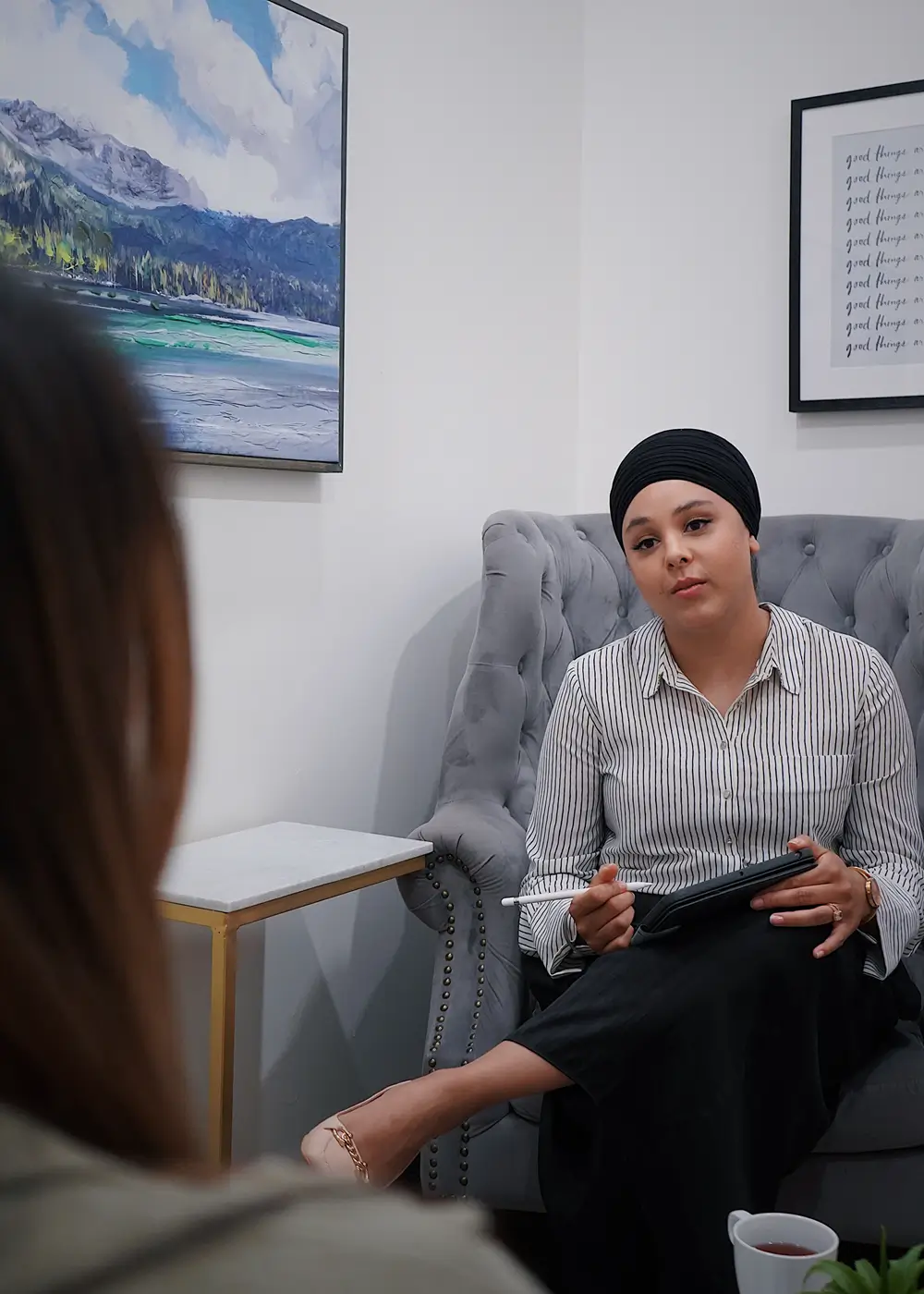
Culturally sensitive therapy means your culture, race, faith, language and migration story are treated as an important part of understanding you. It isn’t a separate type of therapy. It’s a way of working that respects your values, notices the impact of racism and systems, and avoids advice that doesn’t fit your life. Many people look for a BIPOC counsellor who shares some of their background, so they can spend less time explaining and more time on what matters to them.
If questions about race and who you are feel central, racial and cultural identity counselling may be a helpful place to start. You can also learn about individual therapy for adults.
How culturally sensitive counselling can help
Counselling gives you room to talk about stress that often goes unspoken in BIPOC and immigrant communities. Sessions look at your whole life, including family, culture, faith and the systems around you, so the support you get fits the way you actually live.
Newcomers and immigrants
Settling into a new country can bring loneliness, job and money stress, and grief for the life you left behind, even when the move was your choice.
International students
Studying far from home can mean pressure to do well, money and visa worries, and few people to talk to when things get hard.
Multicultural families and couples
Multicultural counselling for intercultural and interfaith couples, and for families where parents and children hold different cultural values.
Stigma and speaking up
Talking about mental health when your community sees therapy as weakness or shame, and finding words that feel right for you.
You may also find it helpful to learn about parenting support or family conflict and estrangement counselling.
When to reach out
It may help to talk to someone when stress starts to affect your sleep, studies, work or relationships, or when you feel there is no one around you who would understand.
If you’ve tried therapy before and felt you had to explain too much, it’s okay to try again. A free 15-minute consultation is a simple way to see if this feels like a better fit.
Get help right away if you are thinking about suicide or feel unsafe. Call or text 9-8-8 any time, call 911 or go to your nearest emergency department.
How online counselling works
Step by step
Free 15-minute consultation
A short call to share what’s on your mind, ask questions and see if it feels like a good fit. There’s no pressure to book.
Your first session
You’ll talk about what brought you here, including your culture, family and migration story if you’d like. Confidentiality and its limits are explained, and you set the pace.
Regular sessions
Many people begin with weekly or every-other-week sessions. Sessions can move between languages if that helps you say what you really mean.
Checking in together
From time to time, you’ll look back at what’s helping and what needs to shift, so counselling keeps fitting your life.
Sessions take place by private video call, so you can join from Toronto, Oshawa, Ajax, Brampton or anywhere else in Ontario. Newcomers and international students living in Ontario can join from home, residence or any private space.
Approaches that shape your sessions
Integrative, trauma-informed and compassionate
Breathe, Feel, Heal. Living far from home, or between two cultures, can keep the body working hard all the time. Sessions may include simple breathing and grounding practices, along with room for things that already bring you comfort, such as prayer, music or time with loved ones, if they matter to you. You can read more about understanding your nervous system and coping with emotional overwhelm.
Care rooted in South Asian understanding
Sessions are led by a South Asian therapist with lived experience of the cultural and family pressures many clients carry. Things like joint families, izzat, rishtas, prayer and “log kya kahenge” don’t need a long explanation. At the same time, every family is different, and your own experience is what guides the work.
Sessions are available in English, Urdu, Hindi and Punjabi, so you can speak in the language that feels most natural, or a mix of them.
You may also find it helpful to read about intergenerational trauma in South Asian families and why South Asian moms hide postpartum depression.
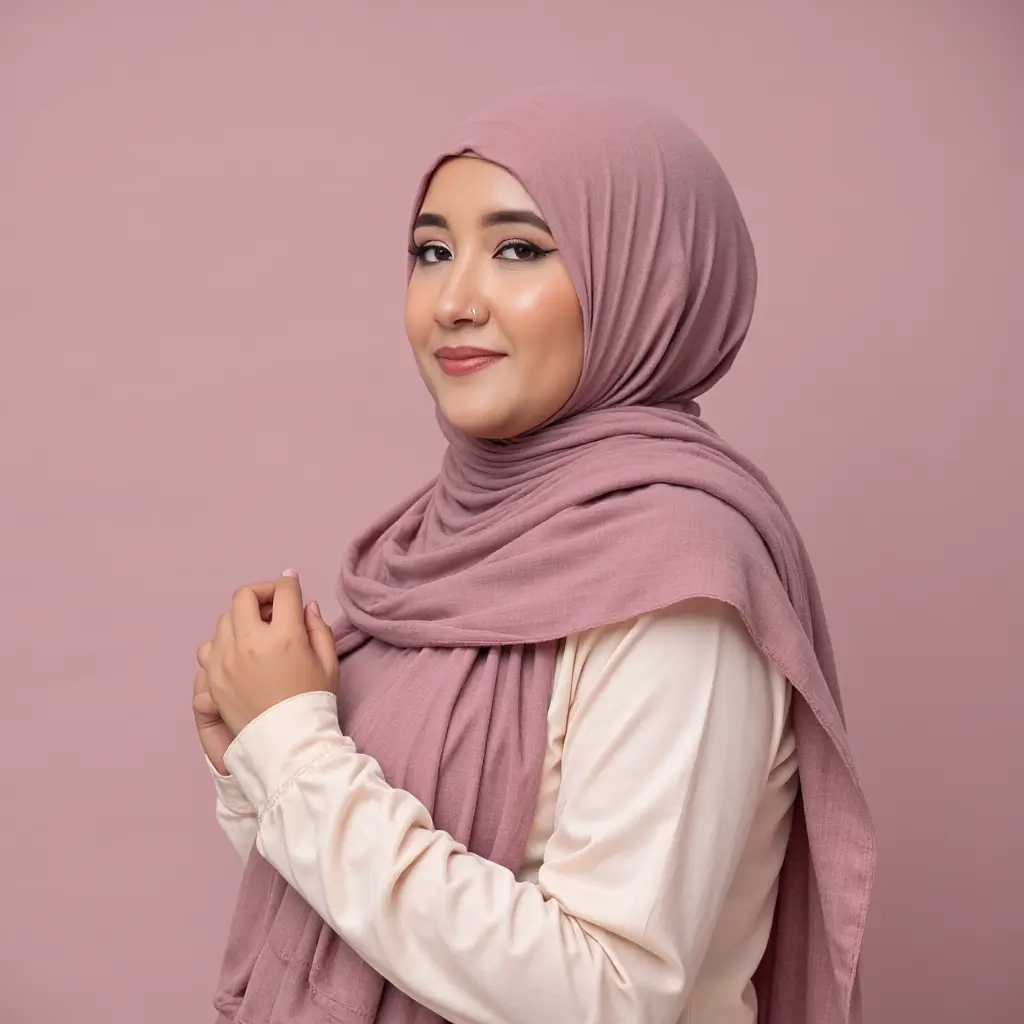
Laiba Hayat
Registered Psychotherapist (Qualifying), BA-HON, MACP | CRPO #19694
Laiba is the founder of Hayat Embodied Therapy, an online practice based in Oshawa, and works with teens, adults, couples and families across Ontario. Her work blends training in counselling psychology with lived experience as a South Asian woman, so cultural, family and community pressures can be understood without long explanations.
As a Registered Psychotherapist (Qualifying) with the College of Registered Psychotherapists of Ontario, Laiba practises with ongoing clinical supervision, as the College requires. You can confirm any therapist’s registration on the CRPO public register.
Common questions about BIPOC and culturally sensitive therapy
What people often ask before starting
What is a BIPOC therapist?
BIPOC stands for Black, Indigenous and people of colour. A BIPOC therapist is a therapist who is also a person of colour. Many people find it easier to open up with someone who has some shared understanding of racism, culture and family life, though every person’s experience is different.
What is culturally sensitive therapy?
It’s an approach where your culture, race, faith, language and migration story are treated as an important part of your life, not something to set aside. The therapist adapts to your values and context, instead of expecting you to fit one way of seeing things.
Do I have to be South Asian to book a session?
No. People from any BIPOC or immigrant background are welcome, as are people in intercultural families. What matters most is that you feel understood and respected.
Can international students get counselling?
Yes, if you live in Ontario. Sessions are online, so you can join from home or residence. Some student health plans include coverage for psychotherapy, so it’s worth checking yours.
Can sessions be in Urdu, Hindi or Punjabi?
Yes. Sessions are available in English, Urdu, Hindi and Punjabi, and you’re welcome to mix languages in the same session if that feels more natural.
Is therapy with a BIPOC therapist covered by insurance?
Coverage depends on your extended health benefits plan. Many workplace and private plans include psychotherapy, but coverage for a Registered Psychotherapist (Qualifying) varies, so it’s a good idea to check with your provider first. Receipts are provided for insurance reimbursement.
Need help right now? This practice doesn’t provide crisis or emergency services. If you are in crisis or thinking about suicide, call or text 9-8-8 (Suicide Crisis Helpline) any time. In an emergency, call 911 or go to your nearest emergency department. Young people can reach Kids Help Phone at 1-800-668-6868 or text CONNECT to 686868.