
Racial and cultural identity counselling
Who am I, and where do I belong? For many people of colour, immigrants and children of immigrants, these questions carry extra weight. You might feel too much of one culture and not enough of the other, carry the hurt of racism you were told to ignore, or feel unsure of who you are outside your family’s expectations. Identity counselling offers a safe space to explore these questions at your own pace. Support may help with:

What is racial identity counselling?
Making room for every part of who you are
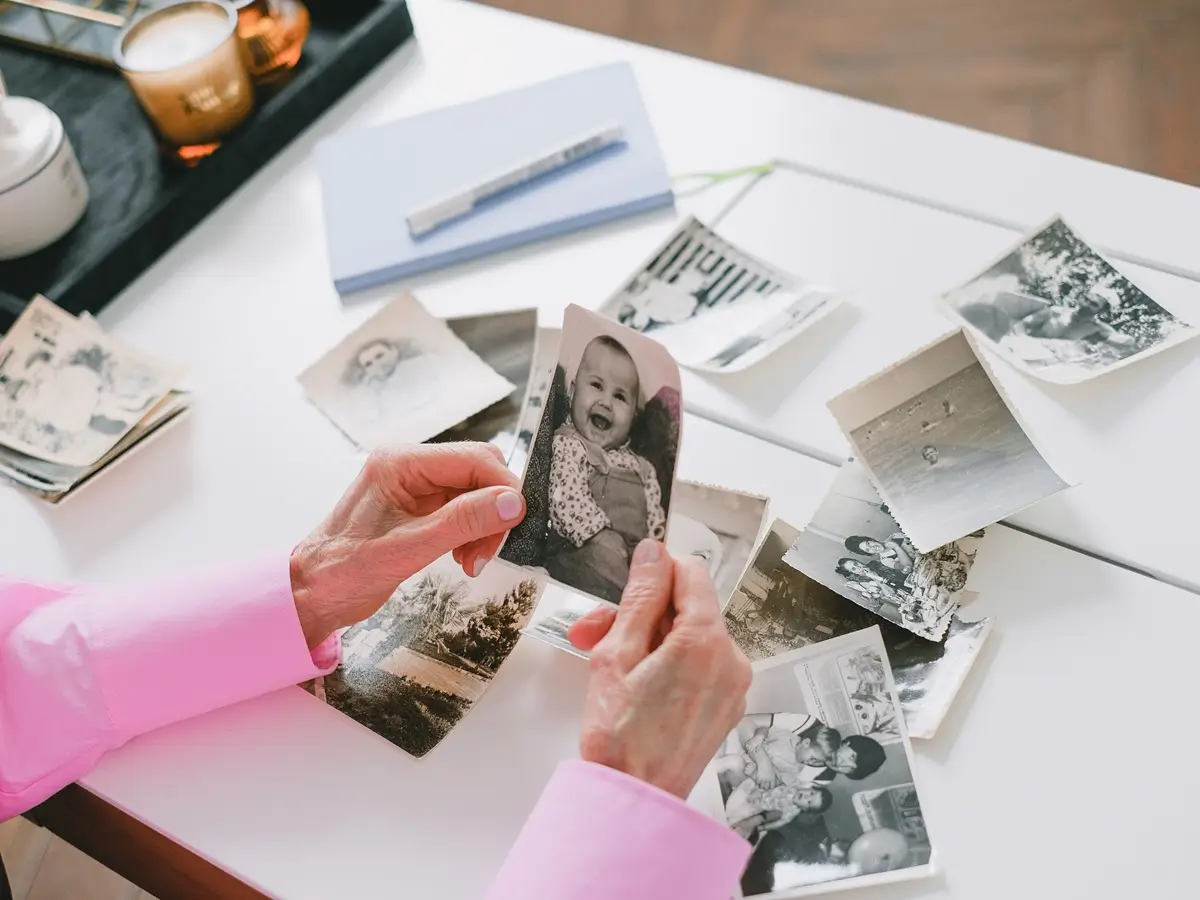
Racial identity is how you understand and feel about your racial and cultural background, and how others see and treat you because of it. It often overlaps with ethnic identity, your connection to a shared culture, language, faith and heritage. Both can shift over time, especially after moving countries, starting a new school or job, or facing racism. Racial identity counselling is a space to explore these experiences, make sense of mixed feelings and build a sense of self that feels like your own. You don’t have to explain or defend your culture first.
Identity questions often come up alongside other stress. You can also learn about individual therapy for adults and teen therapy and counselling.
How identity counselling can help
Counselling isn’t about telling you who to be. It’s about understanding the messages you’ve picked up about race and culture, noticing how they show up in your body and relationships, and choosing what fits you now. Many people find they feel more grounded, carry less shame and feel more at home in themselves.
Living between two cultures
Holding the values of your family’s culture and the culture around you, without feeling you have to pick one side.
Racism and racial trauma
Making sense of the hurt, anger or fear that racism can leave behind, including stress that stays in the body long after the moment has passed.
Microaggressions and belonging
Coping with comments and assumptions that leave you feeling unseen, and finding places and people where you feel you belong.
Identity crisis and self-worth
Therapy for identity crisis can help you explore who you are beyond other people’s expectations, and rebuild self-worth when you feel lost or not enough.
You may also find it helpful to learn about family conflict and estrangement counselling or minority and BIPOC mental health support.
When to reach out
It may help to talk to someone when questions about identity or experiences of racism keep pulling at your mood, sleep, work or relationships, or when you feel you have to hide parts of yourself to fit in.
You don’t need the perfect words to describe it. A free 15-minute consultation is a simple way to share what’s happening and ask questions.
Get help right away if you are thinking about suicide or feel unsafe. Call or text 9-8-8 any time, call 911 or go to your nearest emergency department.
How online counselling works
Step by step
Free 15-minute consultation
A short call to share what’s on your mind, ask questions and see if it feels like a good fit. There’s no pressure to book.
Your first session
You’ll talk about your background, the experiences that brought you here and what you’d like to feel different. Confidentiality and its limits are explained, and you set the pace.
Regular sessions
Many people begin with weekly or every-other-week sessions. Some sessions may focus on a recent experience, others on older stories and family messages.
Checking in together
From time to time, you’ll look back at what’s shifting and what still feels heavy, so counselling keeps fitting your life.
Sessions take place by private video call, so you can join from Toronto, Oshawa, Ajax, Brampton or anywhere else in Ontario. Many people find it easier to talk about race and culture from a familiar, private space.
Approaches that shape your sessions
Integrative, trauma-informed and compassionate
Breathe, Feel, Heal. Racism and the pressure to fit in don’t only live in our thoughts. They can show up as a tight jaw in meetings, a body that’s always on alert, or deep tiredness after a long day of switching between two ways of being. Sessions may include gentle body-based ways to notice this stress and come back to yourself. You can read more about understanding your nervous system and somatic therapy when talking is not enough.
Support that understands South Asian and BIPOC lives
Many South Asian and BIPOC people in Canada grow up with two sets of rules: one at home and one outside. You might feel proud of your roots and still feel tired of explaining your food, your name or your faith. Some people also carry colourism and messages about skin colour from within their own community. Here, these experiences can be talked about openly, with respect for your culture and for your own values.
Sessions are available in English, Urdu, Hindi and Punjabi, so you can speak in the language that feels most natural, or a mix of them.
You may also find it helpful to read about 7 South Asian mental health myths and mental health challenges newcomers face.

Laiba Hayat
Registered Psychotherapist (Qualifying), BA-HON, MACP | CRPO #19694
Laiba is the founder of Hayat Embodied Therapy, an online practice based in Oshawa, and works with teens, adults, couples and families across Ontario. Her work blends training in counselling psychology with lived experience as a South Asian woman, so experiences of racism, belonging and living between cultures can be named with care.
As a Registered Psychotherapist (Qualifying) with the College of Registered Psychotherapists of Ontario, Laiba practises with ongoing clinical supervision, as the College requires. You can confirm any therapist’s registration on the CRPO public register.
Common questions about identity counselling
What people often ask before starting
What is racial identity, and how is it different from ethnic identity?
Racial identity is how you understand and feel about your racial background, and how that connects to the way others see and treat you. Ethnic identity is more about your connection to a shared culture, language, faith, food or homeland. The two often overlap, and both can grow and change over time, shaped by family, community and experiences of belonging or racism.
What is an identity crisis?
An identity crisis is a period of feeling unsure about who you are, what you value or where you belong. It can follow big changes such as moving countries, leaving home, a breakup or experiences of racism. Feeling this way is common, and it can become a starting point for deeper self-understanding.
Can therapy help with racial trauma?
Many people find it helpful. Racial trauma describes the stress and hurt that can build up after racism, discrimination or repeated microaggressions. Counselling offers a space where these experiences are believed, and where you can work with the emotional and body-based stress they leave behind.
What are microaggressions?
Microaggressions are everyday comments or actions, often unintended, that send a hurtful message about someone’s race, culture or identity. Being asked where you’re “really” from, or being praised for speaking English well, are common examples. Over time, they can wear down your sense of safety and belonging.
Do I need to have experienced racism to talk about identity?
No. Some people come to explore what it means to be bicultural, mixed-race or a second generation Canadian, or simply to feel more at home in themselves. Racism may or may not be part of your story, and you decide what to focus on.
Is identity counselling covered by insurance?
Coverage depends on your extended health benefits plan. Many workplace and private plans include psychotherapy, but coverage for a Registered Psychotherapist (Qualifying) varies, so it’s a good idea to check with your provider first. Receipts are provided for insurance reimbursement.
Need help right now? This practice doesn’t provide crisis or emergency services. If you are in crisis or thinking about suicide, call or text 9-8-8 (Suicide Crisis Helpline) any time. In an emergency, call 911 or go to your nearest emergency department. Young people can reach Kids Help Phone at 1-800-668-6868 or text CONNECT to 686868.