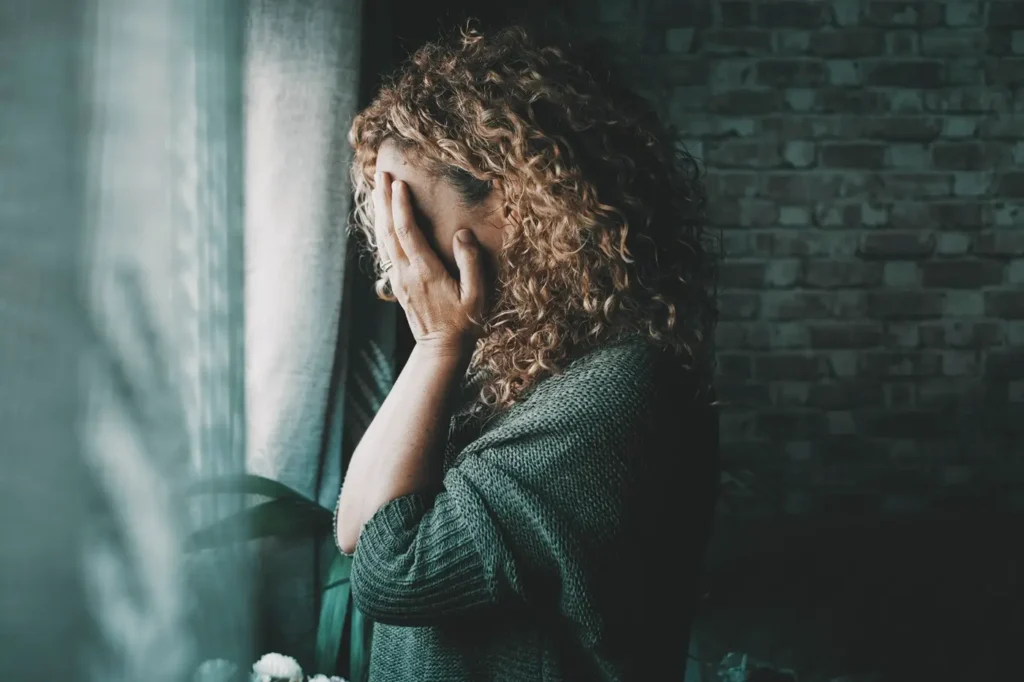
If that sounds familiar, you have probably wondered whether real help can come through a screen. Online anxiety treatment has grown quickly in Canada, and for a lot of people it has become the difference between getting support and putting it off for another year.
This article walks through how virtual therapy for anxiety actually works, what happens in sessions, and who tends to benefit, so you can decide whether it might be a fit for you.
What Online Anxiety Treatment Actually Involves
At its core, online anxiety treatment is talk therapy delivered over secure video instead of in a clinic room. The work itself is the same. Only the setting changes.
You meet with a registered psychotherapist by video on a private, encrypted platform. You talk, you are listened to, and together you make sense of what your anxiety is doing and where it might be coming from. Over time, you build practical skills to respond to it differently.
For many people, the screen does not get in the way at all. Some even find it easier to open up from the safety of their own space.
How It Differs From In-Person Sessions
The therapeutic relationship matters more than the room you sit in. Research on virtual care has generally found it can work well for anxiety and related concerns, with outcomes that often hold up against in-person work.
A few practical differences are worth knowing:
- You join from home, a parked car, a quiet room at work, anywhere private with a connection.
- There is no commute, no waiting room, and no chance of running into someone you know.
- Scheduling tends to be more flexible, which helps if your days are already full.
None of this means online is the right fit for every person or every situation. It means the option is real, and for a great many people, it is enough.
Who Online Anxiety Treatment Tends to Help?
Anxiety is not rare, and it is not a personal failing. Across the country, it is one of the most common reasons people reach out for support.
The numbers reflect how widespread it has become. According to Statistics Canada, the share of Canadians aged 15 and older with generalized anxiety disorder doubled between 2012 and 2022, rising from 2.6 percent to 5.2 percent.
Virtual therapy can be a good match for several situations:
- People with packed or unpredictable schedules. Parents, shift workers, students, and caregivers who cannot easily get to a clinic.
- Those in smaller towns or rural areas. Where local therapists may be few or have long waitlists.
- Anyone for whom leaving the house feels like a lot. When anxiety itself makes a commute or a waiting room feel overwhelming.
- People who value privacy. Including those who feel some stigma about being seen walking into a therapy office.
When Anxiety Is Worth Taking Seriously?
Worry is part of being human. It becomes something to pay closer attention to when it sticks around, grows louder, and starts shaping your daily choices.
Some signs that support might help include anxiety that interferes with sleep, work, or relationships, physical symptoms like a constant knot in the stomach or a racing heart, and avoiding things you used to manage. If this matches what you are living with, talking to a qualified mental health professional is a sound next step.
Gentle Steps You Can Try Alongside Support
Therapy tends to do the deeper work, but there are small things you might begin with on your own. These are gentle invitations, not a treatment plan, and they are not a replacement for professional care.
- Slow the breath before slowing the thoughts. When anxiety spikes, your breathing usually shortens. Some people find that lengthening the exhale, even for a minute, helps settle the body enough to think.
- Name what you feel, in the body. Try noticing where the anxiety sits. Chest? Jaw? Stomach? Naming the physical sensation can take some of the charge out of it.
- Give the worry a container. Setting aside a short, set “worry time” each day works for some people, rather than letting it run in the background from morning to night.
- Move, gently. A short walk can shift anxious energy. It does not have to be exercise. It just has to be movement.
- Be careful with reassurance loops. Constantly checking, googling symptoms, or seeking reassurance can quietly feed anxiety rather than ease it.
If these help a little but the anxiety keeps returning, that is often a sign the deeper patterns are worth exploring with support.
Also Read: Postpartum Anxiety: Signs, Causes, And When To Seek Help
How Therapy Can Support You
When you work with a therapist, the goal is not to silence anxiety or to “fix” you. It is to understand what your anxiety is protecting you from, and to slowly build a different relationship with it.
A few approaches tend to fit anxiety especially well. Cognitive Behavioural Therapy looks at the thought patterns that fuel anxious spirals and helps you respond to them with more flexibility. Acceptance and Commitment Therapy focuses less on getting rid of anxious feelings and more on living a meaningful life alongside them. Somatic and body-based work pays attention to how anxiety lives in the body, which matters because anxiety is rarely just a thought; it is a felt experience.
At Hayat Embodied Therapy, this work is offered online in a calm, judgement-free space, with care for each person’s culture and lived experience. For focused support, individual psychotherapy for adults can be a steady place to begin.
The aim is not to become someone new. It is to feel more at home in yourself, even on the hard days.
FAQs
Does online anxiety treatment actually work?
For many people, yes. Research on virtual therapy has generally found it can be effective for anxiety, often comparable to in-person sessions. What matters most is a good fit with your therapist and your own engagement in the work. Whether it suits you can depend on your situation, and a brief consultation can help you decide.
What is the most common therapy used for anxiety?
Cognitive Behavioural Therapy is one of the most widely used and studied approaches for anxiety. That said, it is not the only effective option. Some clinicians draw on Acceptance and Commitment Therapy, somatic work, or a blend, depending on what fits the person in front of them.
How long does anxiety treatment take?
This varies a great deal from one person to the next. Some people feel steadier within a handful of sessions, while others benefit from longer support, especially when anxiety is tied to deeper patterns. Healing is rarely linear, and there is no single timeline that is right for everyone.
Is virtual therapy private and confidential?
Reputable online therapy uses secure, encrypted video platforms, and psychotherapists are bound by the same confidentiality standards as in-person care. It can help to join from a private space where you will not be overheard. If privacy at home is a concern, it is worth raising with your therapist.
Can online therapy help if my anxiety comes with low mood?
Anxiety and low mood often show up together, and therapy can hold space for both. Many people find it helpful to work with someone who understands how the two feed each other. If your mood feels persistently low or heavy, talking with a qualified professional is a caring step to take.
A Gentle Note Before You Go
This article is for informational and educational purposes only. It is not a substitute for professional mental health assessment, diagnosis, or treatment. Every person’s experience is unique; what helps one person may not be right for another.
If these topics match what you are going through, talk with a qualified mental health professional. This is the safest next step.
If you or someone you know is in crisis or experiencing thoughts of self-harm, please reach out for immediate help. In Canada and the United States, you can call or text 988. International readers can contact a local emergency service or a trusted crisis line in their region.
A Soft Closing
Reaching out for help with anxiety can feel like one more thing on a long list. If you have read this far, something in you is already considering it, and that matters more than it might seem.
You do not have to have it all figured out before you start. You do not have to be at breaking point to deserve support. Wherever you are with your anxiety today is a fine place to begin.
Feeling better is closer than you think. You can book a free 15-minute consultation when you are ready.
Reviewed by Laiba Hayat
Registered Psychotherapist (Qualifying), BA-HON, MACP
This article was written and reviewed for accuracy, clarity, and educational value by Laiba Hayat, Registered Psychotherapist (Qualifying), founder of Hayat Embodied Therapy. Her work supports adults, teens, mothers, and families navigating anxiety, panic attacks, chronic stress, emotional overwhelm, nervous system dysregulation, trauma, attachment wounds, identity concerns, and relational wellbeing through compassionate online psychotherapy across Ontario.