This article gently explains what many people go through, why it happens, and small steps to help you feel steady again.
Why Sudden Vision Loss Feels So Overwhelming?
Vision touches almost every part of daily life. It shapes how you move, how you connect, and often how you see yourself. When the change happens quickly, the mind has scant time to catch up.
A brief note before we continue: the next sections gently touch on grief and emotional pain. Please read at your own pace.
Also Read: Living With Vision Loss Through Grief Identity And Change
The Shock of Sudden Change
In the first days and weeks, many people describe a kind of numbness, followed by waves of fear, sadness, or anger. You may keep hoping things will go back to how they were. This response is not a weakness. The mind makes room for something enormous and life-changing.
Grieving the Life You Pictured
Grieving the loss of vision is real and valid. You may grieve the way you used to drive, read, work, or move through the world, along with the future you had imagined. In our practice, we often hear this described as losing more than sight; it can feel like losing a version of yourself.
How Vision Loss Can Affect Mental Health
Health bodies such as the World Health Organisation widely recognise the link between vision loss and mental health. When something so central to daily life changes, emotions tend to follow.
Common Emotional Responses
Some people notice anxiety about safety, sadness that lingers, irritability, or a quiet sense of grief. Sleep may shift, and focus can feel harder. These reactions are common and do not mean something is wrong with you. Conditions such as glaucoma, macular degeneration, retinitis pigmentosa, and diabetic retinopathy can each carry their own emotional weight.
When Adjustment Becomes Something More
Some hard feelings ease as life slowly reshapes around a new normal. Other times, sadness, anxiety, or hopelessness stay heavy for weeks or months. If that is happening for you, extra support can help.
Gentle Ways to Begin Coping With Vision Loss
No perfect timeline exists for adjusting to vision loss. What follows are soft starting points, not steps you must complete.
Allow Yourself to Feel
Pushing feelings away often makes them louder. Letting yourself notice what is there, even briefly, can take some of the pressure off. Tears, frustration, and quiet days are all part of the process.
Lean Into Safe Connection
Isolation can deepen grief. A trusted friend, a family member who listens without trying to fix things, or a peer support group can help. This is especially true in the blind and low-vision community.
Build Small, Steady Routines
When the bigger picture feels uncertain, small daily anchors help. A morning routine, a short supported walk, or a regular call with someone you trust can bring rhythm as you adjust.
Care for the Body
Sleep, gentle movement, and regular meals all support emotional regulation, especially during stressful change.
Also Read: Emotional Overwhelm Therapy For Adults And Burnout Help
How Therapy Can Support You?
Therapy will not restore what you have lost, but it can help you carry it differently. A calm, non-judgmental space often makes it easier to hold the emotional weight.
Approaches That Often Help
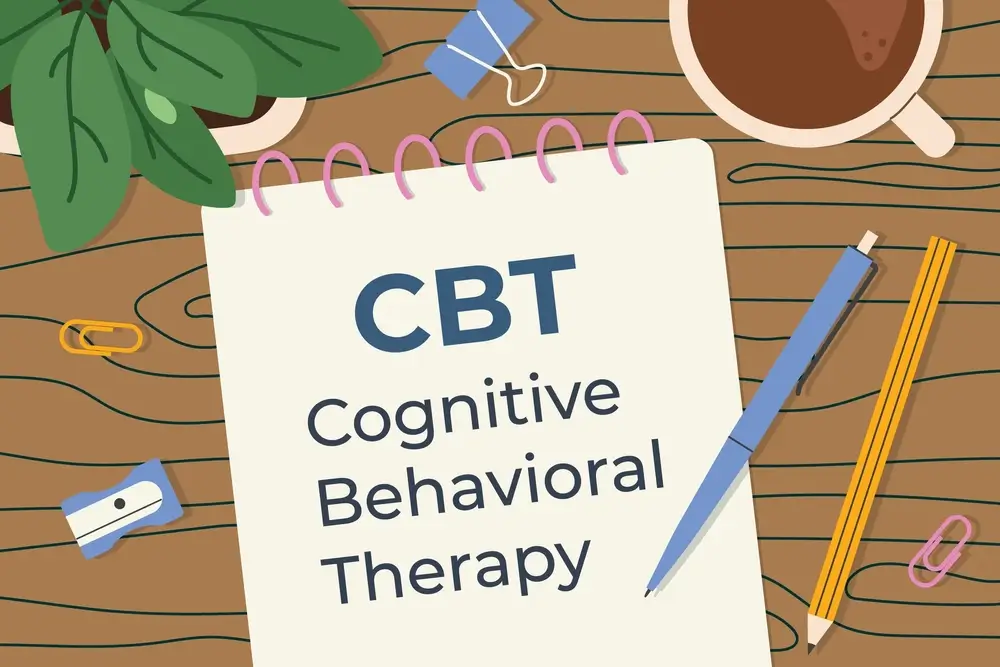
Cognitive Behavioural Therapy (CBT) supports you in working with difficult thoughts that often appear after a sudden change. Acceptance and Commitment Therapy (ACT) helps you make room for hard feelings while you stay connected to what matters. Embodied and trauma-informed approaches gently reconnect you with the body, which can hold shock and grief in ways words cannot reach.
At Hayat Embodied Therapy, this work often begins with simply slowing down and creating safety, before any deeper exploration. The pace is always yours.
FAQs
Is it normal to grieve vision loss?
Yes. Vision loss is a real loss, and grief is a natural response. Many people experience waves of sadness, anger, fear, or quiet numbness, sometimes all in the same day. Your timeline does not have to match anyone else’s.
Why do I feel depressed after losing my sight?
Sudden vision changes affect more than your eyes. They shift how you move, how you see yourself, and how you connect with others. These changes can lead to feelings that resemble depression, especially in the first months. If they stay heavy or grow over time, speaking with a mental health professional is a kind step to take.
Can therapy significantly help with vision loss?
Therapy can offer space to process grief, work with anxiety, and gently rebuild a sense of self. Clinicians commonly use CBT and ACT alongside embodied and trauma-informed care. The aim is not to undo the loss, but to support you in living fully alongside it.
Will online therapy work for someone with low vision?
Online therapy is often a good fit for people adjusting to vision loss. Sessions happen from home, removing travel stress, and a thoughtful therapist can adapt the format, including audio-only options.
How is counselling different from vision rehabilitation?
Vision rehabilitation focuses on practical skills, including mobility, daily tasks, and the use of assistive tools. Counselling focuses on the emotional side: grief, identity, anxiety, and adjustment. Many people find both, used together, support a fuller kind of healing.
A Gentle Note Before You Go
This article is for informational and educational purposes only. Not a substitute for professional mental health assessment, diagnosis, or treatment. Every person’s experience is unique; what helps one person may not be right for another.
If these topics match what you are going through, talk with a qualified mental health professional. This is the safest next step.
If you or someone you know is in crisis or experiencing thoughts of self-harm, please reach out for immediate help. In Canada and the United States, you can call or text 988. International readers can contact a local emergency service or a trusted crisis line in their region.
A Soft Closing
Coping with sudden vision loss is not about being strong all the time. Finding small ways to keep breathing and feeling, and to reconnect with your life as it looks now, slowly. Healing rarely moves in a straight line, and you can set your own pace. When you are ready, even one quiet conversation can be a meaningful first step.